
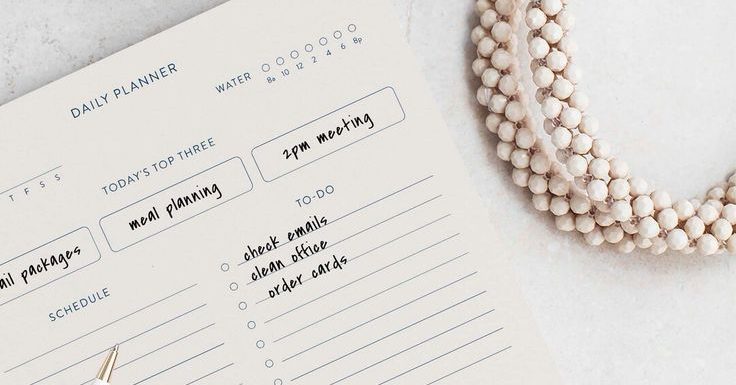
A good week should not feel like a punishment. This weekly wellness schedule is designed to help you plan movement, self-care, rest, and real-life responsibilities in a way that feels realistic.
You should not need a 5 a.m. alarm, a perfectly color-coded planner, daily workouts, and a full Sunday of meal prep just to feel organized. A balanced routine should help you move your body, protect your energy, and stay on top of your responsibilities without making wellness feel like another full-time job.
The goal is not to plan a perfect week. The goal is to create a rhythm that works for your real life.
Start With the Week You Actually Have
Before adding workouts, self-care, meal prep, or a nighttime routine, look at the commitments already on your calendar.
Start with:
- Work
- Classes
- Study time
- Appointments
- Commutes
- Family responsibilities
- Social plans
- Sleep
These are your non-negotiables.
Do not build a schedule around an imaginary version of your life where you have unlimited time and energy. Your routine should fit around your actual responsibilities.
Choose Three Weekly Priorities
Pick three priorities for the week. Keep them specific and realistic.
Examples:
- Complete three workouts
- Get at least seven hours of sleep
- Prepare lunch for three days
- Take one full rest day
- Walk outside four times
- Finish one major school or work task
- Spend less time on my phone at night
A strong weekly focus could be:
- Move my body three times.
- Protect my sleep.
- Plan enough to reduce stress.
When everything becomes a priority, nothing truly is.
Match the Plan to Your Energy
Not every week should look the same.
High-Energy Week
You feel rested and your schedule is manageable.
You may have space for:
- Three to five workouts
- Meal preparation
- Social plans
- Longer self-care routines
- Extra personal goals
Normal Week
You have regular responsibilities and average energy.
A realistic plan may include:
- Two to four workouts
- Simple meals
- One reset block
- One rest day
- Short self-care habits
Low-Energy Week
You are dealing with deadlines, travel, illness, stress, or exhaustion.
Focus on:
- Walking
- Stretching
- Easy meals
- Sleep
- Fewer commitments
- Essential habits only
Planning for your real capacity helps prevent burnout before it starts.
Create Weekly Anchors
Weekly anchors are habits that happen on the same days and give your routine structure.
Examples:
- Monday evening workout
- Wednesday grocery trip
- Friday rest night
- Sunday reset
- Morning walk before class
- Consistent bedtime
A simple anchor system could look like:
- Monday: Strength workout
- Wednesday: Walk and midweek reset
- Friday: Pilates or light movement
- Sunday: Weekly planning
Anchors reduce decision fatigue because you do not have to create a new routine every morning.
Use a Three-Level Movement Plan
Your fitness routine should include options for different energy levels.
Level One: Full Workout
Choose this when you have enough time and energy.
Examples:
- Strength training
- Gym workout
- Pilates class
- Long walk
- Cardio session
- Fitness class
Level Two: Short Session
Choose this when the day is busy but you still want intentional movement.
Examples:
- Twenty-minute home workout
- Short incline walk
- Mobility routine
- Bodyweight circuit
- Brief yoga flow
Level Three: Minimum Movement
Choose this when you are tired, stressed, or short on time.
Examples:
- Ten-minute walk
- Stretching before bed
- Walking during a phone call
- Light cleaning
- Five minutes of mobility
All three levels count.
The goal is not to choose the hardest option every time. The goal is to stay connected to movement throughout different kinds of weeks.
Place Harder Workouts on Easier Days
Avoid scheduling your longest workout on the day you already have class, work, errands, and a late appointment.
Ask yourself:
- Which days are least stressful?
- When do I usually have the most energy?
- Which days give me enough time to recover?
- Which workouts require more preparation?
- Which sessions can I do at home?
A balanced week may include:
- Two strength sessions
- One Pilates or mobility session
- Two walking days
- One full rest day
- One flexible day
Your exact routine can change, but recovery should always be part of it.
Make Self-Care Specific
Writing “self-care” in your planner is too vague.
Choose an actual action.
Examples:
- Wash and style my hair Thursday night
- Journal for ten minutes Wednesday evening
- Take a long shower after Monday’s workout
- Read before bed Tuesday
- Clean my room Sunday morning
- Call a friend Saturday afternoon
- Put my phone away at 10 p.m.
Self-care should help you feel calmer, supported, or prepared. It should not become another task you feel guilty about skipping.
Create a Weekly Reset
Choose one day for a short weekly reset. Sunday works for many people, but any day is fine.
Your reset can take 30 to 60 minutes.
The Well Transcend Weekly Reset
Check
- Review appointments and deadlines
- Look at your work or class schedule
- Check upcoming social plans
Choose
- Pick your workout days
- Choose one rest day
- Select three weekly priorities
Prepare
- Plan a few meals
- Refill snacks and essentials
- Wash the clothes you will need
- Prepare your bag or workspace
Protect
- Schedule downtime
- Set a bedtime goal
- Leave room for unexpected changes
The purpose of the reset is to make the week easier, not to control every hour.
Use the One Main Thing Rule
Give each day one main priority.
Examples:
- Monday: Complete a workout
- Tuesday: Finish a project draft
- Wednesday: Grocery shop
- Thursday: Attend an appointment
- Friday: Rest and recharge
You can still complete smaller tasks, but one main priority makes the day feel less overwhelming.
If that main thing gets done, the day was productive.
Leave White Space
Do not schedule every hour.
White space is unscheduled time that allows you to:
- Rest
- Catch up
- Handle delays
- Change plans
- Spend time with friends
- Do nothing
A schedule without white space may look organized, but it is difficult to maintain.
Leaving room between commitments makes your week more flexible and realistic.
Always Have a Backup Plan
Create three versions of important habits.
Original Plan
Go to the gym after class for a 45-minute workout.
Backup Plan
Complete a 20-minute workout at home.
Minimum Plan
Take a ten-minute walk and stretch.
A changed plan is not a failed plan.
Flexibility is what allows consistency to continue.
Sample Balanced Week
Monday: Strong Start
- Strength workout
- Balanced dinner
- Review the week
- Set out Tuesday’s clothes
Tuesday: Focus Day
- Complete one important school or work task
- Take a short walk
- Eat an easy meal
- Put the phone away before bed
Wednesday: Midweek Reset
- Grocery shop or run errands
- Complete Pilates, mobility, or stretching
- Refill snacks and water
- Check whether the week still feels realistic
Thursday: Second Movement Day
- Strength or gym session
- Simple dinner
- Shower and personal-care routine
- Early bedtime
Friday: Low-Pressure Day
- Finish essential tasks
- Walk or choose gentle movement
- Enjoy a flexible meal
- Keep the evening open
Saturday: Personal Time
- Do something enjoyable
- Complete an optional workout or outdoor activity
- Clean one area
- Spend time with friends or family
Sunday: Soft Reset
- Review the calendar
- Choose workouts
- Plan meals
- Prepare clothes or supplies
- Rest without trying to earn it
Build Your Own Weekly Blueprint
My Three Priorities
My Movement Plan
- Full workout days:
- Short movement days:
- Rest day:
- Backup option:
My Self-Care Plan
- One calming activity:
- One practical task:
- One enjoyable activity:
My Weekly Reset
- Day:
- Time:
- Main tasks:
My Sleep Goal
- Target bedtime:
- Phone-off time:
The Well Transcend Balance Check
Before finalizing your week, ask:
- Does this routine fit my real life?
- Did I include enough recovery?
- Am I trying to do too much?
- Do I have backup options?
- Did I leave white space?
- Is there something enjoyable in the week?
- Would I still follow this plan on an average day?
If the plan only works when everything goes perfectly, simplify it.
Final Thoughts
A balanced week is not one where every task gets completed perfectly.
It is one where your routine helps you feel supported instead of constantly behind.
Your workouts should fit your energy. Your self-care should feel useful. Your schedule should include rest, flexibility, and room for real life.
You do not need to maximize every hour.
You need a weekly rhythm you can return to.
Plan with intention. Leave space. Adjust when needed. Let balance be something you practice, not something you perfect.
This article provides general wellness and fitness information and is not a substitute for individualized medical, fitness, nutrition, or mental-health guidance.